What to Avoid After Getting Dental Crowns
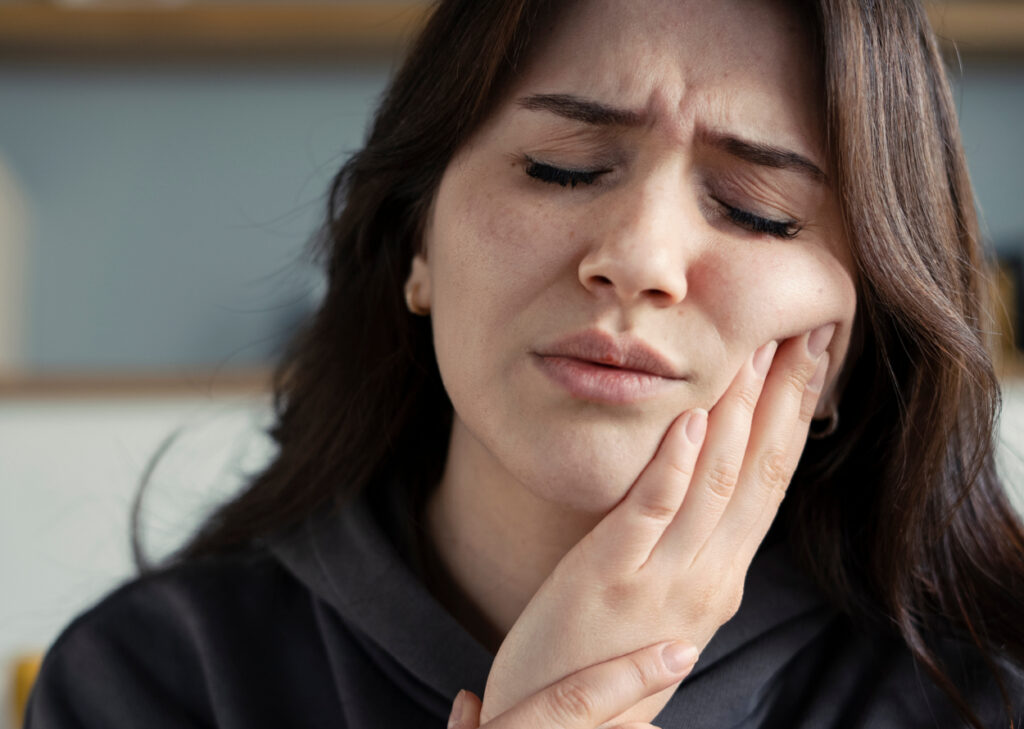
Getting dental crowns is often the point where a patient feels real relief. The cracked tooth is covered, the worn edge looks whole again, the bite feels more stable, and the smile often looks dramatically better. Still, the work is not finished the day the crown is cemented in place. The first few days matter, the first few weeks matter, and the habits that follow matter even more.
A crown is strong, but it is not indestructible. It depends on the tooth underneath, the cement that bonds it, the fit at the margin, and the way your bite lands when you chew or clench. I have seen beautiful crowns last well over a decade with very little trouble, and I have also seen new crowns fracture, loosen, or become painfully sensitive because patients were never told what could interfere with healing and long-term success.
The good news is that most post-crown problems are preventable. They usually come down to pressure, timing, food choices, oral habits, or delayed follow-up when something feels off. Knowing what to avoid after getting dental crowns can spare you a second round in the chair, an emergency visit, or a replacement much sooner than expected.
The first 24 hours are not business as usual
Many patients leave the office assuming that if the numbness wears off and the crown looks fine, they can chew normally that evening. That is not always wise. Some cements need time to reach full strength, and even when modern materials set quickly, the surrounding tooth and gum tissue may still be irritated from preparation, impressions, retraction, or bonding.
One of the most common mistakes during this window is chewing hard food on the new crown right away. If the crown is permanent, it may feel solid, but your bite may still need a little time to settle. If the crown is temporary, the risk is even higher. Temporary crowns are meant to protect the tooth between visits, not to perform like final restorations. Sticky candy, crusty bread, nuts, and ice can pull them loose or crack them.
It is also worth being careful while numb. People sometimes bite their cheek, tongue, or lip without realizing it, especially after lower molar work. I have seen patients come back more concerned about the soft tissue injury than the crown itself. Wait until normal sensation returns before eating anything that takes concentration to chew.
Hot and cold sensitivity can also flare during the first day or two. That does not automatically mean something is wrong. The tooth has been shaped, dried, cleaned, and sealed. It may simply be reactive. What you want to avoid is testing it over and over. Repeatedly sipping ice water to “check” sensitivity usually makes the tooth angrier, not calmer.
Avoid hard foods that create concentrated force
Dental crowns are durable, but their weak points are usually not obvious to patients. The porcelain on a crown can chip. The cement seal can be stressed. https://maps.app.goo.gl/3J3yp5fz8ZfBkuVj9 The natural tooth structure under the crown can crack if enough force is concentrated in the wrong place. This is especially true when a heavily restored tooth already had a large filling, root canal treatment, or a long-standing fracture before the crown was placed.
Hard foods are a problem because they do not distribute force evenly. Biting straight down on an olive pit, popcorn kernel, unpopped corn, hard candy, or ice cube can create an intense point load. Even a well-made crown can fail under that kind of pressure. Molars are particularly vulnerable because they take the brunt of chewing.
I remember one patient who did everything right for two weeks, then cracked the porcelain on a brand-new molar crown with roasted almonds during a long drive. The crown itself had been properly bonded and the bite had looked excellent. The issue was not poor treatment. It was simple mechanics. A single hard bite was enough.
If you want your dental crowns to last, avoid using your teeth as if they were tools. Tearing open packets, holding pins, stripping threads, and cracking shells are habits that shorten the life of both crowns and natural teeth.
Sticky foods can be worse than they seem
Patients usually understand why hard food is risky. Sticky food is less obvious, but it causes a different kind of trouble. Caramel, gummy candy, chewing gum, toffee, and certain dense protein bars can grab onto a crown and tug at it repeatedly. On a temporary crown, that pull can loosen the restoration surprisingly fast. On a permanent crown, especially one that is newly placed, those foods can irritate the area and make you hyperaware of every tiny sensation.
Sticky foods are also troublesome because they linger. If plaque tends to build around your gums, sticky residues can collect near the margin where the crown meets the tooth. That seam is small, but it matters. Crowns do not get cavities, yet the tooth structure at the edge absolutely can. Recurrent decay around the margin is one of the most common reasons crowns eventually need replacement.
This is where practical judgment helps. A soft pasta dish or scrambled eggs usually pose no problem. A chewy seeded bagel, fruit leather, or caramel popcorn is another story. Texture matters more than whether something is technically soft.
Clenching and grinding put crowns under quiet, constant stress
Many crown failures do not come from food at all. They come from force applied night after night. Clenching and grinding can chip porcelain, wear down opposing teeth, irritate the ligament around the crowned tooth, and create the feeling that the crown is “too high” even when the bite was adjusted correctly.
Patients are often surprised to learn how much pressure they generate in sleep. It is not subtle. Some wake up with jaw fatigue, temple headaches, or a sensation of pressure around a back tooth. Others only discover the habit after a spouse hears the grinding. A crown on a person with active bruxism lives in a much harsher environment than a crown on someone with a relaxed bite.
If your dentist recommends a night guard, that advice is not cosmetic or optional in the casual sense. It is protective. I have seen patients invest in excellent dental crowns and then lose part of that investment to untreated grinding within a year or two. The crown may survive, but the porcelain can craze, the opposing tooth can chip, or the tooth underneath can become sore from repeated compression.
Habits worth stopping immediately
- Chewing ice, pen caps, fingernails, or bottle caps
- Clenching during work, driving, or exercise
- Using one side of the mouth for all chewing
- Ignoring jaw soreness or morning headaches
- Skipping a prescribed night guard
These habits often feel unrelated to the crown because the damage builds gradually. By the time pain appears, the underlying stress may have been there for months.
Do not ignore a bite that feels wrong
A crown that is too high is not just annoying. It can cause real problems. Even a small discrepancy can make the crowned tooth absorb more force than it should. Patients describe it in different ways. Some say the tooth “hits first.” Others say it feels bulky, tender to chew on, or oddly prominent even though it looks normal in the mirror.
The temptation is to wait and see if it settles. Sometimes that is reasonable for a day or so, especially if the area is still sore from the procedure and your perception is distorted. But if the crown consistently feels high after the numbness is gone and normal chewing resumes, do not try to adapt to it for weeks. A simple adjustment can prevent ligament inflammation, temperature sensitivity, jaw strain, and wear on nearby teeth.
This is one of those issues that clinicians can fix quickly if they hear about it early. Left alone, it can create a chain reaction. The tooth becomes tender, you shift chewing to the other side, the jaw compensates, and suddenly a straightforward crown turns into a broader comfort issue.
Be careful with flossing technique, not flossing itself
Some patients avoid flossing around a new crown because they are afraid of pulling it off. That instinct is understandable, especially after a temporary crown, but abandoning floss is the wrong move. Plaque and food debris collect at the gumline quickly, and crown margins need to stay clean.
What matters is technique. Around a temporary crown, many dentists advise sliding the floss out from the side rather than popping it straight back up, which can reduce the chance of dislodging it. Around a permanent crown, normal flossing is usually fine, though gentleness still helps if the gums are tender.
The thing to avoid is aggressive snapping. Floss that whips into the gum can make an already irritated tissue margin bleed and swell. Swollen gums around a new crown can make the area feel “off” even when the crown itself is excellent. A soft hand is better than a forceful one.
Do not skip oral hygiene because the tooth is covered
A surprising number of people assume that once a tooth has a crown, that tooth is protected from future problems. It is protected from some problems, certainly. The crown covers damaged or weakened structure. But it does not seal the area from bacterial plaque, gum disease, or decay at the edges.
The tooth under the crown still has a margin where bacteria can collect. If plaque sits there day after day, the gum can become inflamed and the exposed root or adjacent tooth structure can demineralize. In practice, I often see trouble start not on the top of a crown but right where the restoration meets the tooth near the gumline.
Avoiding oral hygiene after crown placement is especially risky if you had the crown placed because of a large old filling, fracture, or root canal access. Those teeth have already been through a lot. They need cleaner conditions, not less attention.
A soft toothbrush, fluoride toothpaste, and daily flossing are usually enough. If your dentist suggested an interdental brush, water flosser, or prescription fluoride because the margin is hard to clean, that suggestion is worth taking seriously. Crowns often fail from the edges, not from the middle.
Smoking and frequent alcohol exposure can complicate healing
This is the part many people would rather not hear, but it matters. Smoking slows healing in gum tissue, increases inflammation, and makes the mouth drier. A dry, irritated mouth is not ideal after any restorative treatment. If the gums around a new crown stay inflamed, it becomes harder to evaluate the fit, comfort, and margin health accurately.
Alcohol is more nuanced. Moderate alcohol use is not automatically a problem for every patient with dental crowns. Still, in the immediate period after placement, especially if local anesthetic, minor bleeding, or temporary cement are involved, heavy drinking is not a smart idea. It can increase the chance of biting trauma while numb, neglecting aftercare, or grinding more intensely during sleep.
The broader issue is dryness and maintenance. A mouth that stays dry because of smoking, alcohol, certain medications, or mouth breathing has less natural protection from acid and plaque accumulation. That affects the life span of crowns just as surely as it affects natural teeth.
Very hot, very cold, and highly acidic foods can aggravate sensitivity
Sensitivity after crown placement ranges from nonexistent to fairly noticeable, depending on the tooth, how much preparation was required, whether the tooth was vital, and how the bite functions. A root canal treated tooth generally behaves differently from a living tooth that was reduced significantly for a crown.
If your tooth is alive and newly crowned, avoid extreme temperature testing during the first days. Ice water, steaming coffee, and alternating hot soup with cold drinks can trigger a response in a tooth that is still settling. Acidic foods can do the same, especially if the prepared area was near the gumline or if a small portion of root surface is exposed.
This does not mean you need to eat bland food for weeks. It means moderation helps. Room-temperature drinks and softer meals are often more comfortable early on. If sensitivity improves gradually, that is reassuring. If it intensifies, lingers for weeks, or turns into pain that wakes you at night, that deserves a call to the dentist.
Do not postpone follow-up when something seems off
One of the most expensive choices after crown placement is silence. Patients commonly wait too long because they do not want to bother the office, or they assume discomfort is normal for longer than it really is. Mild awareness for a few days can be normal. Sharp pain on biting, a consistently high bite, a loose feeling, persistent throbbing, or food trapping between teeth should not be ignored.
Food trapping is a good example. If floss shreds, food packs between the crowned tooth and its neighbor, or the contact feels too open, bacteria and inflammation can build quickly. The earlier that is addressed, the simpler the fix may be. The same goes for a crown that feels rough, catches the tongue, or seems to move. Small problems often become larger ones when patients try to work around them for months.
Call your dentist sooner rather than later if you notice any of these
- The crown feels loose or lifts when you chew
- Your bite feels high after the numbness has fully worn off
- Pain increases instead of fading over several days
- Floss catches, shreds, or food packs around the crown
- Part of the crown chips or cracks
None of these automatically means the crown has failed. They do mean the tooth should be checked before the issue worsens.
Temporary crowns deserve extra caution
Not every patient goes straight from tooth preparation to a same-day final crown. Many wear a temporary crown for a week or more. This stage is where the most avoidable mishaps happen. Temporary crowns are helpful, but they are not designed for heavy use. Their shape may be slightly less precise, their material is usually less durable, and the cement is intended for easier removal.
With temporary crowns, avoid chewing gum, sticky sweets, and forceful flossing unless your dentist has shown you the preferred method. Try to chew on the opposite side when practical. If the temporary comes off, do not panic, but do not leave the tooth uncovered longer than necessary either. Prepared teeth can become sensitive, shift slightly, or collect debris. Call the office for guidance.
A temporary crown that feels imperfect is not always a sign that the final result will be imperfect. Temporaries are transitional by nature. The main goal is protection and stability until the definitive crown is delivered.
What people often get wrong about “strong” crowns
Patients hear that modern dental crowns are made from porcelain, zirconia, ceramic, or porcelain-fused-to-metal and assume strength eliminates vulnerability. Strength helps, but dentistry is not just about material hardness. It is about the whole system. The tooth has to be sound. The preparation has to retain the crown well. The margin has to stay clean. The bite has to distribute force sensibly. The patient has to avoid habits that defeat all of the above.
A zirconia crown, for example, may tolerate heavy force better than some layered ceramics, but it can still be compromised by poor hygiene, a fractured underlying tooth, or untreated clenching. A beautifully esthetic front crown may look flawless and still chip if a patient bites fingernails or tears tape with the incisors.
That is why aftercare advice can sound repetitive. It is not because crowns are fragile. It is because they succeed when biology, mechanics, and daily behavior stay aligned.
The long view matters more than the first week
Most crowns that fail early do so for recognizable reasons. The bite was off. The temporary came loose and the tooth shifted. The patient cracked the crown on a hard object. The cement seal was challenged before the area settled. But many crown problems emerge years later from ordinary neglect, not dramatic accidents.
When patients ask how long dental crowns last, the honest answer is that the range is wide. Some fail early despite careful work, often because the underlying tooth had a guarded prognosis from the start. Many last ten to fifteen years or longer. The difference frequently comes down to maintenance. Clean margins, controlled grinding, prompt adjustment when something feels wrong, and sensible chewing habits are not glamorous, but they are what preserve the investment.
A crown should let you function with confidence, not anxiety. You should be able to chew, smile, and speak normally. Just do not confuse normal function with limitless abuse. Teeth restored with crowns still obey the laws of force, wear, and bacterial plaque. Respect those realities, and crowns usually serve patients very well for a long time.
Oxnard Dentistry
Address: 1730 E Gonzales Rd, Oxnard, CA 93036
Phone number: +18056049999
FAQ About Dental Crowns Oxnard CA
How long do crowns last on teeth?
Dental crowns typically last 10 to 15 years, but can last 20 to 30 years with excellent oral hygiene. Lifespan depends heavily on the crown material, your daily brushing and flossing habits, and whether you clench or grind your teeth.
What is the downside of crowns on teeth?
The primary downside of dental crowns is that the preparation process is irreversible. To properly fit a crown, a dentist must permanently shave down a significant portion of your natural tooth enamel. This exposes the tooth to potential risks like nerve inflammation, increased sensitivity, and structural weakening.
Why do dentists push for crowns?
Dentists often recommend crowns to save a structurally compromised tooth. If a tooth is heavily cracked, worn down, or has a cavity too large for a filling, a filling will not provide enough structural support, causing the tooth to eventually split. Crowns act like protective helmets, preventing tooth loss.