Invisalign Retainers: What Happens After Treatment?

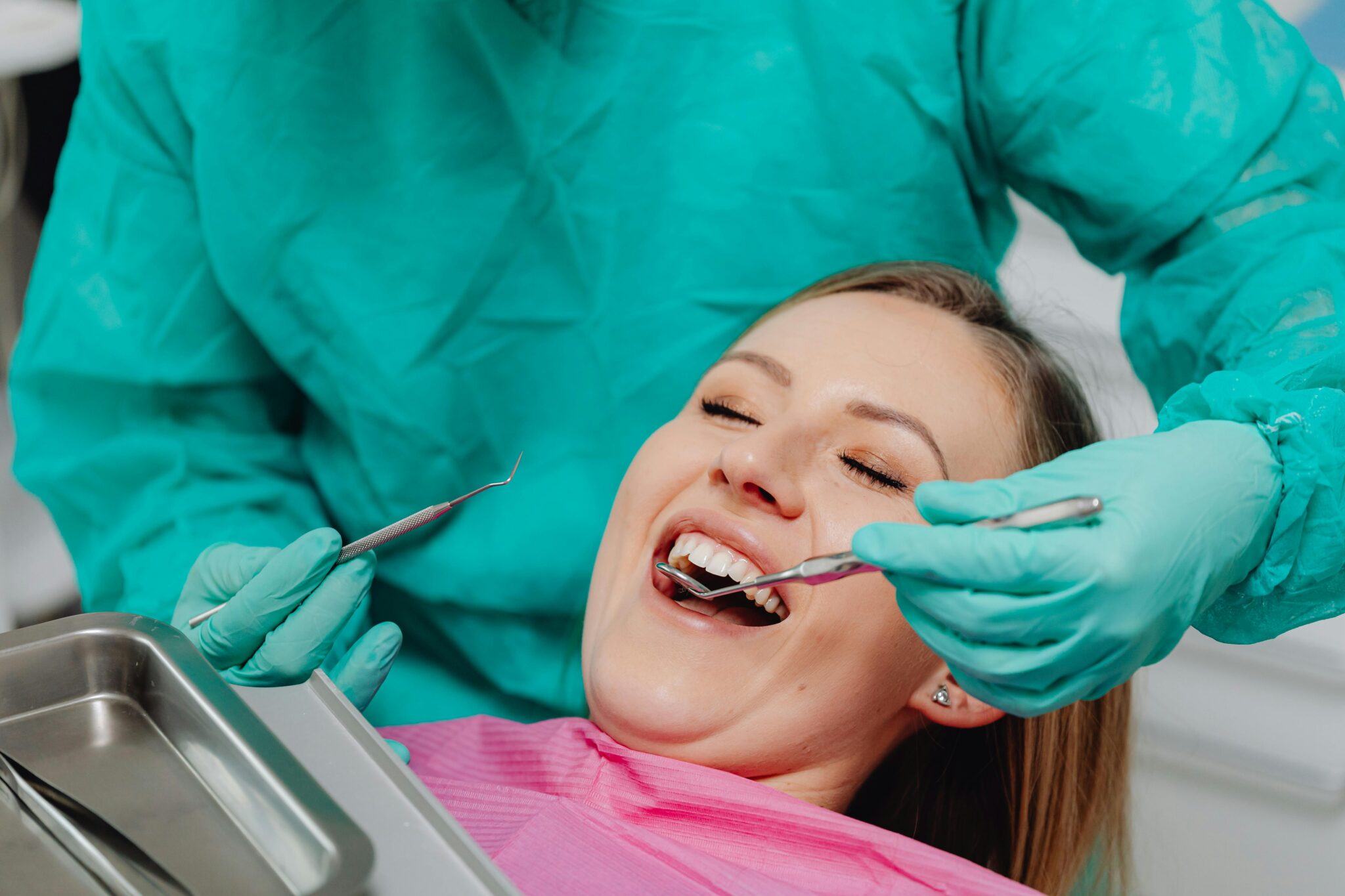
Finishing Invisalign treatment feels like crossing a long-awaited finish line. The trays are done, the attachments come off, and for the first time in months, sometimes years, you can look at your teeth without mentally tracking the next aligner change. Most patients expect that moment to feel like the end of orthodontic care. It is not. It is the point where active tooth movement stops and retention begins.
That distinction matters more than many people realize. Teeth are not set in concrete after orthodontic treatment, whether the movement came from Invisalign, braces, or a combination of both. They sit in living bone, held in place by periodontal ligaments and surrounded by tissue that has memory. Once teeth have been moved, especially if they started crowded, rotated, or spaced, they carry a natural tendency to drift back toward their earlier positions. Retainers are what stand between a great result and gradual relapse.
Patients often ask one version of the same question: if my teeth are straight now, why do I still need something on them? The practical answer is simple. Straightening and stabilizing are not the same job. Invisalign aligners are designed to move teeth. Retainers are designed to hold them there while the surrounding bone and soft tissue adapt. Even after that adaptation happens, the biology never fully stops. Over time, age-related tooth movement can affect almost anyone, including people who never had orthodontic treatment at all.
The period after Invisalign deserves more attention than it usually gets. It is where small habits have outsized effects. Wearing retainers as instructed, cleaning them properly, and replacing them when they wear out can preserve a smile for years. Ignoring that phase can undo a lot of careful treatment surprisingly quickly.
The day treatment ends is not the day movement risk disappears
At the end of Invisalign treatment, your orthodontist or dentist usually checks three things closely. First, whether the teeth are where they were planned to be. Second, whether your bite fits together in a stable, functional way. Third, whether you are ready to transition into retention without needing additional refinement trays.
For many patients, refinement is part of the normal process. Teeth do not always track perfectly, and the digital plan is still a plan, not a guarantee. If your provider recommends a few more aligners before moving to retainers, that does not mean the treatment failed. It usually means they are trying to improve the fit, the contact points, or the final details that separate a decent result from a polished one.
Once treatment is complete, retainers are typically ordered or prepared right away. In many Invisalign cases, patients move into Vivera retainers, which are made by the same company and look similar to aligners, though they are built for retention rather than active movement. Some practices offer other clear retainers instead. In certain cases, a bonded retainer, often a small wire fixed behind the front teeth, may also be recommended, especially on the lower arch where relapse tends to happen quickly.
A common surprise is how immediate the retainer phase can feel. Some people assume they will only need to wear retainers occasionally from the beginning. In reality, most providers advise full-time wear at first, often around 20 to 22 hours a day for a period of weeks or months. That initial schedule varies by case, age, bite pattern, and provider philosophy, but the logic is sound. The teeth have just finished moving and are at their most vulnerable to shifting.
I have seen patients return after only a short gap without consistent retainer wear and notice tightness, edge-to-edge contacts, or lower incisor crowding starting to reappear. Often the changes begin subtly. The patient may think everything still looks fine, but the retainer tells the truth. If it suddenly feels hard to seat, if one side clicks down but the other resists, or if it leaves pressure marks that were not there before, some movement has already happened.
Why teeth want to move back
Orthodontic movement is a controlled biological process. Pressure is applied to a tooth, bone remodels around it, and the ligament supporting the tooth adapts. That adaptation takes time. Even after the visible movement has stopped, the underlying structures continue reorganizing.
There is also the issue of soft tissue memory. Teeth that were severely rotated are a classic example. A rotated tooth behaves a bit like a twisted elastic band. Even after you untwist it, the surrounding fibers may still exert some pull in the old direction. That is one reason certain teeth are more prone to relapse than others.
Crowding has its own tendencies. Lower front teeth, in particular, are notorious for shifting over time. This is not unique to Invisalign. It is a long-observed pattern in orthodontics. Changes in bite forces, natural aging, wisdom teeth myths notwithstanding, and subtle growth changes in younger patients can all contribute. The exact cause varies, but the result is familiar: one lower incisor starts to overlap another, or the teeth https://raymondmyoc958.evergrovio.com/posts/the-hidden-benefits-of-choosing-invisalign lose the crisp alignment achieved at the end of treatment.
Spacing can relapse too. Patients who had gaps, especially between the upper front teeth, often need especially reliable retention. That gap can reappear with surprising speed if retainers are not worn.
What kind of retainer you may get after Invisalign
After Invisalign, the most common retainer is a clear removable retainer. It looks like an aligner, but the plastic is intended to hold the final tooth position rather than move teeth through a programmed sequence. Many patients like them because they are discreet, easy to remove for eating, and familiar after treatment.
Fixed retainers are another option. These are usually thin wires bonded behind the front teeth, commonly the lower front six and sometimes the upper front teeth depending on the bite and relapse risk. A bonded retainer can be extremely helpful, but it is not maintenance-free. It can loosen, collect plaque if hygiene is poor, and still usually needs to be backed up with a removable retainer for complete retention.
The choice is not always either-or. In some practices, the strongest retention plan combines both: a fixed retainer for vulnerable front teeth and a removable retainer worn at night to support the full arch. That layered approach can be especially useful for patients with heavy lower crowding before treatment, reopened spaces, or a history of inconsistent wear.
The wearing schedule most people can expect
The exact instructions vary, but the general pattern is straightforward. Immediately after Invisalign treatment, you will likely be told to wear your retainers full time. That often means all day and night except for meals, hot drinks, and brushing. After the teeth stabilize, many providers transition patients to nighttime-only wear.
Some people hear “nighttime only” and translate it as “whenever I remember.” That is where problems begin. Nighttime wear usually means every night, not a few nights per week. Orthodontic retention is much less forgiving than patients hope. Missing a night here and there may not cause visible relapse right away, but repeated inconsistency adds up.
A useful way to think about it is this: retainers do not have to work hard when they are used consistently. They become uncomfortable when they are asked to recover lost ground. If your retainer feels snug after one missed night, that is manageable. If it feels painfully tight after three weeks in a bathroom drawer, you are no longer maintaining, you are attempting minor unsupervised retreatment.
One pattern I have heard often from adult patients is that they wear retainers faithfully for the first year, then reduce wear once life gets busy. A move, a new baby, travel, late work nights, all of it chips away at routine. Two or three years later they notice photos where one front tooth looks slightly different. By then, the change is real, and it rarely corrects itself.
How long do you need retainers after Invisalign?
For most people, the honest answer is lifelong. That can sound discouraging until it is framed properly. Lifelong retainer wear does not usually mean full-time wear forever. It means that if you want your teeth to stay as straight as possible, some consistent retention should remain part of your routine indefinitely.
This recommendation is not salesmanship. It reflects the reality that teeth continue to shift across adulthood. Orthodontists who have been in practice for years have seen too many former patients come back, sometimes a decade later, with relapse that began only after they stopped wearing retainers. In many of those cases, the patient assumed they had “graduated” from needing them.
Nightly retention becomes easier when it is treated like brushing your teeth, not like a temporary medical instruction. The patients who do best are usually not the most disciplined in a dramatic sense. They are the ones who make retainer wear boring and automatic.
What retainers feel like, and what is normal
A new retainer should feel snug. That is expected. It should seat fully with gentle pressure and feel secure once in place. There may be slight speech changes for a day or two, especially if the retainer covers more gum tissue. Increased saliva is also common at first.
What should raise concern is a retainer that suddenly no longer fits the way it used to, a crack, a warped edge, or persistent pressure on one area that makes seating difficult. Clear retainers can also become cloudy, loose, or rough over time. That does not always mean they are unusable, but it does mean they should be checked.
Retainers are consumable devices, not permanent appliances. Their lifespan depends on material, wear habits, grinding, and cleaning methods. Some last years. Others wear out faster, especially in patients who clench or chew on the plastic. If a retainer has become flexible where it used to feel firm, or if it pops off easily, it may no longer be doing its job well.
Cleaning matters more than most patients expect
Retainers sit against the teeth for long stretches, often overnight when saliva flow drops. That makes hygiene important. A clear retainer that looks transparent can still harbor odor, plaque film, and mineral buildup if it is not cleaned properly.
The safest routine is simple:
- Rinse the retainer when you remove it.
- Brush it gently with a soft toothbrush and mild soap or a cleaner approved by your provider.
- Avoid hot water, which can warp the plastic.
- Store it in a protective case when not in use.
- Brush and floss before putting it back in.
What tends to damage retainers fastest is not ordinary wear, but avoidable mistakes. Hot water is a common one. So is wrapping the retainer in a napkin during meals, which almost guarantees it will be thrown away. Pets are another surprisingly frequent culprit. Dogs, in particular, seem to love chewing aligners and retainers.
Whitening toothpaste can also be too abrasive for some plastics, and alcohol-based mouthwashes are not ideal soaking solutions unless your provider specifically says otherwise. If a retainer develops stubborn buildup, professional cleaning or replacement may be more sensible than trying home remedies that scratch or distort it.
What happens if you stop wearing them
The first stage is usually not dramatic. The retainer feels tighter. You may need extra pressure to seat it. Then it starts to hurt more than usual. If wear remains inconsistent, small shifts become visible, often in the lower front teeth or in previously spaced areas.
At that point, there are several possible outcomes. If the movement is minimal and the retainer still fits, returning to regular wear may hold things where they are, though it is wise to check with your provider. If the retainer no longer fits fully, forcing it can crack the plastic or put unhealthy pressure on teeth. If relapse is moderate, a new series of aligners may be needed.
That possibility catches many former Invisalign patients off guard. They assume relapse, if it happens, will be minor and easy to reverse. Sometimes it is. Sometimes it means paying for retreatment. The financial and time cost of replacement retainers is usually much smaller than the cost of correcting avoidable shifting later.
Retainer problems that deserve a call to your provider
Most retention issues are not emergencies, but some should not be ignored. A cracked retainer, a lost retainer during the early post-treatment phase, or a bonded wire that has detached on one side can all lead to movement faster than patients expect.
Here are the situations that merit prompt follow-up:
- The retainer no longer seats fully or feels dramatically tighter
- There is a crack, sharp edge, or visible warping
- A bonded retainer has loosened or broken
- You have gone days or weeks without the retainer and notice shifting
- You are waking with soreness, clenching marks, or signs the retainer is wearing out quickly
When patients delay that call, it is often because they are embarrassed they have not worn the retainer consistently. Providers are used to this. What matters is catching the problem early enough to keep options simple.
Replacement retainers and why having a backup is smart
One of the most practical pieces of advice after Invisalign is to think beyond the single retainer in your hand. Clear retainers can be lost, cracked, or chewed up. Travel is a common time for mishaps. So are weddings, holidays, and restaurant meals. Ironically, the moments when people care most about how their teeth look are often the same moments when retainers disappear.
Having a backup retainer can save a lot of trouble. Some practices encourage patients to purchase more than one set from the start for exactly this reason. The value becomes obvious the first time the primary set breaks on a Friday evening before a long weekend. A backup lets you maintain the result while arranging a replacement instead of watching the teeth drift.
Cost varies widely depending on location and provider. It is reasonable to ask in advance what replacement fees are, whether digital models are kept for future fabrication, and how long it takes to get a new set. Those details matter more than patients think, especially in the first year after treatment.
Invisalign retainers versus the last aligner
Patients occasionally ask whether they can just keep wearing their final Invisalign tray instead of getting a proper retainer. In the very short term, if there is an unexpected delay in receiving a retainer, a provider may advise continuing to wear the final aligner. But a final aligner is not usually the long-term substitute people hope it is.
The last aligner was made for active treatment, not indefinite retention. It may wear out faster, fit differently over time, or lack the durability expected of a true retainer. Relying on it for too long is a stopgap, not a retention plan.
The emotional side of retention
There is a psychological adjustment after Invisalign that often goes unspoken. During treatment, progress is visible and motivating. Every tray change feels like movement toward something. Retention is quieter. It does not offer the same sense of momentum. The routine can feel repetitive, and because the payoff is the absence of change, it is easy to underestimate its value.
Patients who succeed long-term usually shift their mindset. They stop seeing retainers as an extension of treatment and start seeing them as insurance for work already completed. That change sounds minor, but it affects compliance in a very real way. If you spent months correcting crowding, bite issues, or spacing, a few hours of neglect should not be what compromises the result.
Special cases worth understanding
Not every retention plan looks the same. Teenagers may need closer supervision simply because routines are less stable and appliances get lost more often. Adults with gum recession or bone loss may need particularly careful follow-up because tooth stability depends on more than alignment alone. Patients who grind their teeth can wear through retainers faster, and in some cases a provider may recommend a different appliance design to balance retention with protection from clenching forces.
Pregnancy, major dental work, and restorative changes can also affect retainer fit. A new crown, bonding on a chipped tooth, or gum contouring can alter how the retainer seats. That does not mean something has gone wrong, but it does mean the retainer should be reassessed rather than forced.
There is also a practical point for patients considering whitening after Invisalign. Whitening is best discussed before final retainers are made if shade changes are likely to influence future cosmetic work such as bonding. This is less about the retainer itself and more about timing the final aesthetic details intelligently.
The real measure of successful Invisalign treatment
The success of Invisalign is not measured only on the day attachments come off. It is measured six months later, three years later, and ten years later, when the teeth still look the way you worked to make them look. That durability depends on retention.
For patients, the message is straightforward. Expect retainers. Wear them exactly as instructed at first. Do not improvise if they stop fitting. Replace them when needed. Keep them clean, protected, and part of your daily routine. If your provider recommends both a bonded and removable retainer, understand that the recommendation is usually based on relapse risk, not caution for its own sake.
Straight teeth are not self-maintaining. Invisalign can move them beautifully, but retainers are what keep that work intact. The aftercare is less glamorous than treatment, but it is where long-term results are won or lost.
Omni Dental Specialty
Address: 1690 E Gonzales Rd, Oxnard, CA 93036
Phone number: +18053666000
FAQ About Invisalign
How much does Invisalign actually cost?
The out-of-pocket cost for Invisalign typically ranges between $3,000 and $8,000, with most patients paying a national average of roughly $5,100 to $5,700 before insurance.
What is the downside to Invisalign?
The biggest downsides to Invisalign are the intense discipline required to wear the trays 22 hours a day, the inconvenience of removing them to eat or drink, and the inability to fix severe, complex orthodontic issues.
Is $5000 a lot for Invisalign?
No, $5,000 is not considered a lot for Invisalign; it is exactly the national average. Treatment costs typically fall between $3,000 and $8,000, and $5,000 is the standard fee for a moderately complex case that takes 6 to 18 months to complete.