How an Emergency Dentist Handles Same-Day Urgent Cases
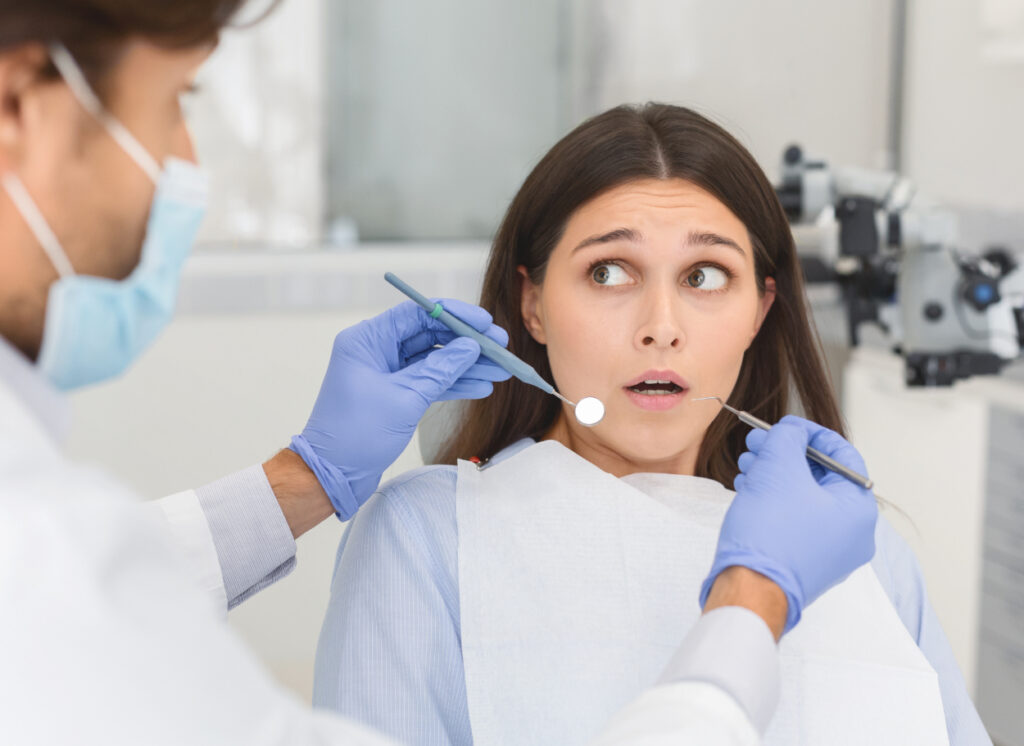

A same-day dental emergency rarely begins in a dental chair. It starts in a kitchen with a cracked molar from a hard crust of bread, on a football field with a front tooth on the ground, or at 2 a.m. When a throbbing toothache becomes impossible to ignore. By the time a patient calls an emergency dentist, the problem has usually crossed a line. It is no longer a minor inconvenience. It is pain, swelling, bleeding, fear, or a visible injury that cannot wait for a routine opening next week.
From the outside, same-day urgent care can look simple. A patient phones, arrives, gets treated, and leaves. In practice, the process requires rapid triage, careful diagnosis, efficient scheduling, pain control, and a clear sense of what must be done immediately versus what can safely wait. The best emergency dental care is not rushed care. It is focused care under time pressure.
What counts as a true dental emergency
Not every unexpected dental problem is an emergency, but many are. The difference usually comes down https://rylankirx874.huicopper.com/how-an-emergency-dentist-diagnoses-hidden-tooth-damage to pain, infection, trauma, and function. A lost filling may be annoying if the tooth is not sensitive. That same lost filling can be urgent if dentin is exposed and the patient cannot drink water without a sharp jolt. A broken denture is inconvenient for some patients and genuinely urgent for others, especially if it affects work, speech, or eating.
A true emergency dentist learns quickly to listen for clues during the first phone call. Swelling that is spreading into the cheek or jaw matters. Bleeding that has not stopped matters. Pain that wakes a patient from sleep matters. A knocked-out permanent tooth is always time-sensitive because every minute affects the odds of saving it. Trauma involving children needs special judgment because a baby tooth injury and a permanent tooth injury are managed very differently.
There is also a category that falls between routine and severe: urgent cases that may not be life-threatening but still need same-day attention. These include cracked teeth with biting pain, severe gum abscesses, broken crowns on front teeth, and post-extraction complications such as dry socket. An experienced emergency dentist does not dismiss these just because they are not dramatic. Small-looking problems can worsen quickly, especially if infection is involved.
The day usually begins with triage, not treatment
Most urgent dental care starts before the patient walks in. The front desk or clinical team asks targeted questions to determine how quickly the person needs to be seen and whether the office is the right place for care. This part is more clinical than many patients realize.
The first job is to rule out medical red flags. If a patient reports trouble breathing, difficulty swallowing, uncontrolled bleeding, facial trauma with possible fractures, or swelling near the eye, that may exceed what a dental office should manage alone. In those cases, the safest path may be the emergency room or a combined medical and dental evaluation. A responsible emergency dentist knows the limits of office-based care.
If the case can be seen in the practice, the next step is prioritization. A patient with a chipped veneer and no pain should not take the slot needed for someone with a dental abscess and fever. That sounds obvious, but on a busy day, every office makes dozens of these scheduling judgments. Urgent dentistry works best when appointment books have some flexibility built into them. Practices that handle emergencies well often reserve time blocks or keep enough clinical support available to pivot when needed.
During triage, patients are also given practical instructions. Someone with a knocked-out tooth may be told to place it in milk or hold it in saliva, avoiding the root surface. A patient with swelling may be asked whether the swelling is getting larger by the hour. A person who has fractured a tooth may be told to avoid chewing on that side and bring in any broken pieces. Those first few minutes can change the outcome.
What happens when the patient arrives
The pace of same-day dentistry is brisk, but the first in-person moments matter. People in pain often arrive tense, embarrassed, or frightened. Some have been trying to cope for days with ibuprofen, cold compresses, clove oil, or whatever advice they found online. Others are upset because the problem happened in public, at work, or just before travel. An emergency dentist has to read more than an X-ray. They have to read the room.
After a brief medical review, the clinical team identifies the immediate priority: stop pain, control infection, stabilize trauma, or preserve the tooth if possible. That may sound straightforward, yet urgent cases often involve overlapping problems. A cracked molar can have pulpal inflammation and a split cusp. A broken front tooth may have both cosmetic and nerve exposure concerns. A swelling near a lower molar could be anything from a localized gum infection to a spreading abscess.
Radiographs are usually taken early, though not always in the same way as in routine visits. The imaging is problem-driven. A periapical film can reveal a deep infection around the root tip. A bitewing may show recurrent decay under a large filling. When trauma is involved, several angled radiographs may be needed to see root fractures or displacement. Good emergency diagnosis depends on combining the patient’s story, a focused exam, and imaging, not relying on any single piece.
Pain control comes first, but not every painful tooth gets the same fix
One of the most common misconceptions is that an emergency dentist simply gives antibiotics or pain medication and sends the patient home. That may happen in selected cases, but it is usually not the ideal endpoint. The most effective treatment for dental pain is often mechanical, not pharmaceutical. Pressure needs to be relieved. Infection needs drainage. Decay or exposure needs sealing. A nerve may need treatment. A loose tooth may need stabilization.
If the problem is irreversible pulpitis, the classic severe toothache where inflammation inside the tooth reaches a point of no return, antibiotics alone generally do very little because the issue is trapped within the tooth. Patients are often surprised by this. They come in expecting a prescription and leave learning that opening the tooth or removing the source of inflammation is what truly helps. In some cases, a pulpotomy or start of root canal treatment can provide same-day relief. In others, extraction is the more realistic option.
When a patient has an acute abscess, drainage can make a dramatic difference. The change is sometimes visible within minutes. A patient who walks in unable to touch their face without pain may leave able to breathe a little easier and think clearly again. Antibiotics can be appropriate when there is spreading infection, swelling, fever, or systemic involvement, but they are an adjunct, not a substitute for proper care.
Anesthesia is its own skill in emergency treatment. Inflamed tissue can be difficult to numb. Lower molars with hot nerves are notorious for this. A dentist managing urgent pain has to know when to change technique, supplement an inferior alveolar nerve block with intraligamentary or intraosseous anesthesia, or slow down and reassess. This is one reason emergency appointments can feel intense from the patient’s perspective. It is not just a filling done on short notice. It is often biologically harder work.
Common same-day emergencies and how they are handled
Some cases appear again and again in emergency dentistry, though no two are exactly alike. Toothaches lead the list, followed closely by broken teeth, lost restorations, swelling, and trauma. The treatment goal depends on whether the tooth can be definitively treated that day or needs a stabilizing procedure before a later follow-up.
A fractured tooth is a good example of how judgment matters. If the break is small and above the gumline, the emergency dentist may smooth the edge, place a bonded restoration, and restore function immediately. If the fracture extends deep below the gum or splits the tooth, saving it becomes far less predictable. Patients understandably focus on whether a tooth hurts. Dentists also focus on whether it can be restored, whether the pulp is involved, and whether the crack line compromises the long-term prognosis. Same-day care is not just about doing something quickly. It is about doing the right amount of treatment for that tooth’s future.
Traumatic injuries require even more nuance. A front tooth that is chipped can often be repaired beautifully in one visit if the fracture is uncomplicated. A front tooth that has been pushed out of position may need to be repositioned and splinted. A tooth that has been knocked out entirely enters a race against time. Reimplantation has the best chance when performed as soon as possible, ideally within the first hour, though real-life outcomes depend on several factors including how the tooth was stored and the condition of the root surface. The emergency dentist has to move fast while still documenting the injury, checking for other damage, and explaining that even a successfully replanted tooth may later require root canal treatment.
Sometimes the real emergency is infection, not pain
Many patients judge severity by pain level, but infection can be dangerous even when pain is moderate. Facial swelling under the eye, under the jaw, or toward the neck changes the urgency immediately. Dentists pay attention to whether the swelling is firm or fluctuant, localized or diffuse, warm, and increasing. They ask about fever, malaise, swallowing, and trismus, which is difficulty opening the mouth.
A patient with a lower molar infection and swelling under the jaw can deteriorate faster than people expect. Those are the cases where an emergency dentist must decide whether office treatment is enough or whether the patient needs hospital-based care. It is not a sign of failure to refer. It is good clinical judgment. The stakes are simply higher when an infection threatens airway spaces.
One case that stays with many clinicians involves the patient who says, “It started as a toothache three days ago.” By the time they arrive, one side of the face is visibly enlarged, the mouth opens only halfway, and the pain is no longer the main issue. They feel sick. That scenario is a reminder that delay changes the game. Early emergency treatment often means a simpler procedure. Late treatment can mean imaging, drainage, antibiotics, and sometimes medical intervention.
Not every same-day visit finishes the whole problem
Patients often hope an urgent appointment will solve everything in one sitting. Sometimes it does. A small fractured filling can be replaced. A loose crown can be re-cemented. A chipped front tooth can be bonded. But many emergencies are stabilized first and completed later.
That distinction matters because emergency dentistry is about two timelines at once. The first timeline is the crisis: stop pain, control infection, protect the tooth, restore enough function to get the patient comfortable and safe. The second timeline is definitive care: root canal completion, crown preparation, extraction with bone preservation, implant planning, periodontal treatment, or cosmetic refinement.
A practical emergency dentist explains this clearly. If a patient receives a temporary sedative filling after decay is cleaned out, they need to understand that temporary means temporary. If a crown came off because the underlying tooth has fractured or decayed, simply gluing it back may buy a little time but not solve the structural problem. Much of emergency care is expectation management delivered with empathy.
The schedule behind the scenes is often the hardest part
Urgent dentistry is not only clinical. It is logistical. The office has to fit a painful patient into a day already filled with hygiene checks, restorative procedures, consults, and staff breaks. A same-day emergency may need 20 minutes or two hours. No one knows at the moment the phone rings.
Well-run offices develop patterns that make this manageable. They train front desk staff to gather useful information rather than just slotting names into open spaces. They keep treatment rooms stocked for common emergencies, from temporary materials to trauma splinting supplies. They make room for focused exams that can expand into treatment if needed. They also keep communication tight between doctors, assistants, and the scheduling team so routine care does not completely collapse every time an urgent patient appears.
From a patient’s side, this can explain why emergency visits sometimes begin with an exam and X-rays rather than full treatment the instant they arrive. The dentist may be balancing a root canal in one room, a crown seat in another, and an abscess that just walked in. Same-day care is part medicine, part operational discipline.
What patients can do before they get to the office
Patients help themselves most by acting early and preserving whatever can be preserved. Waiting to “see if it settles down” often turns a manageable problem into a more painful and expensive one. Calling promptly gives the emergency dentist a better chance to save a tooth or at least prevent escalation.
A few pre-visit steps are consistently useful:
- If a permanent tooth is knocked out, hold it by the crown, not the root, and keep it moist in milk or saliva.
- If there is swelling, note whether it is spreading, and mention any fever or trouble swallowing when you call.
- If a tooth or restoration breaks, bring the piece with you if you can find it.
- Avoid placing aspirin directly on the gums, which can burn tissue.
- Use a cold compress on the outside of the face for trauma or swelling, not heat.
Those are simple measures, but they buy time and improve the quality of the emergency dentist’s options.
The emotional side of urgent care is easy to underestimate
Dental emergencies can shake even calm people. Pain narrows attention. A broken front tooth can feel like a social crisis. Parents arrive carrying not just a child but a full load of guilt, worry, and adrenaline. Patients who normally manage dentistry well may become tearful or irritable when they have slept poorly and have been hurting for days.
An experienced emergency dentist adjusts the communication style accordingly. Some patients want detail. Others can only process the next step. The best approach is usually direct, calm, and specific. “The tooth is infected. We can numb it, drain the pressure, and get you comfortable today. Then we will decide whether the better long-term plan is root canal treatment or extraction.” That kind of language helps people regain a sense of control.
Trust is built quickly in emergency settings, sometimes in under an hour. Patients remember whether the office took their pain seriously, whether the team explained costs before proceeding, and whether the dentist was honest about what could and could not be accomplished that day. Those details shape the experience as much as the procedure itself.
Cost, consent, and difficult decisions under pressure
Urgent care often forces fast decisions about treatment and finances. A patient may have expected a minor repair and learn they need a root canal and crown, or that the tooth cannot be predictably saved. A dentist has to present options clearly without using pain as leverage. That is an ethical skill as much as a communication skill.
Sometimes the lowest immediate cost is not the best clinical choice. Sometimes it is the only realistic choice for the patient that day. If a tooth has poor restorability and the patient cannot commit to complex treatment, extraction may be the sounder path. If a patient is flying the next morning and has a front tooth fracture, a conservative bonded repair may be a practical emergency solution even if ideal esthetic refinement comes later. Same-day dentistry involves trade-offs, and good clinicians make those trade-offs explicit.
Consent in emergency settings must still be thorough. Pain can make people agree too quickly. The dentist should confirm understanding, especially when choices affect tooth survival, future cost, or esthetics.
What separates a strong emergency dentist from a merely available one
Availability matters, but it is not enough. The best emergency dentist combines speed with judgment. They know when a problem can be fixed conservatively and when it cannot. They numb difficult teeth well. They recognize dangerous infections early. They are comfortable treating trauma. They can improvise within reason when a schedule is strained, a child is frightened, or a patient has limited options.
Just as important, they avoid overpromising. Same-day urgent care is not a magic trick. Some teeth cannot be saved. Some pain needs more than one visit to resolve completely. Some infections require medical backup. Competence in emergencies means respecting urgency without letting urgency cloud decision-making.
For patients, that often translates into a simple but powerful experience. You call in pain. Someone listens carefully. You are seen promptly. The source of the problem is identified. The pressure, uncertainty, and pain begin to ease. Whether the final result is a repaired tooth, a temporary stabilization, or a referral for higher-level care, the immediate crisis is handled with steadiness.
That is what same-day urgent dental care is really about. Not speed for its own sake, but timely treatment that protects health, relieves suffering, and gives the patient a clear path forward.
Simple Dental South Gate
Address: 8617 California Ave, South Gate, CA 90280
Phone number: +13236896118
FAQ About Emergency Dentist Southgate CA
What can the ER do for a tooth?
The emergency room can provide temporary symptom relief for a bad tooth, such as prescribing pain medicine or antibiotics, but it cannot fix the actual dental problem.
What is the 3-3-3 rule for tooth infection?
The 3-3-3 rule for a toothache or infection typically means taking three 200 mg ibuprofen tablets (600 mg total) three times a day for no more than three days to control pain and swelling while waiting to see a dentist.
What do you do if you have a dental emergency but no dentist?
If you have a dental emergency and no regular dentist, you should search for an urgent care dental clinic, call local walk-in dental offices, or go to a hospital emergency room if you have severe bleeding, swelling, or trouble breathing.