How a General Dentist Can Improve Your Smile
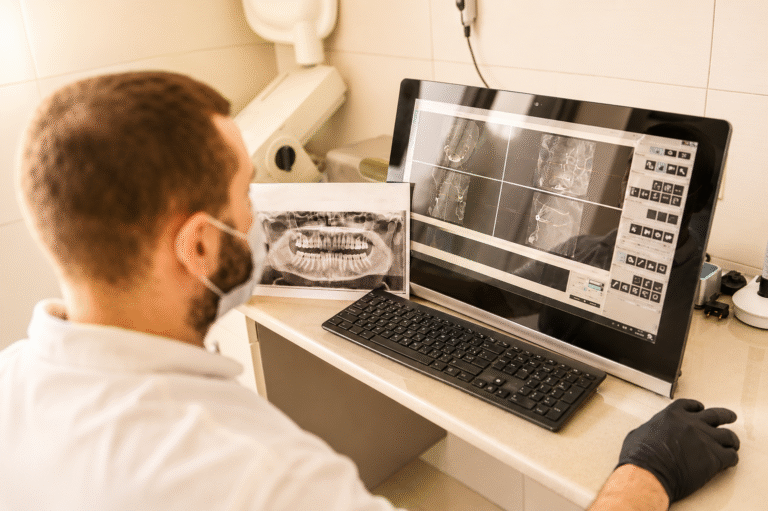
A better smile is often associated with orthodontics, veneers, or cosmetic whitening, but many meaningful improvements begin in a far less dramatic place: the routine care provided by a general dentist. In everyday practice, smile improvements rarely come from one flashy procedure alone. More often, they come from careful diagnosis, small corrections made at the right time, and a treatment plan that respects how teeth function, how gums heal, and how people actually live.
That matters because a smile is not just a visual feature. It is the result of healthy enamel, stable gums, balanced bite forces, clean tooth contours, and habits that support all of the above. When one of those pieces is off, the change shows up quickly. Teeth look shorter because of wear. Gums appear puffy or uneven. Old fillings stain the front of the mouth. A chipped edge catches light differently and suddenly becomes the only thing a person notices in the mirror.
A skilled general dentist works in that space between health and appearance. They are often the first clinician to see the https://emiliokppq314.nexorafield.com/posts/questions-to-ask-before-choosing-a-general-dentist early signs of wear, decay, gum disease, grinding, dehydration-related dryness, or bite imbalance. They can improve the look of a smile while also protecting it, which is where long-term value comes from.
The smile improvements people overlook
When patients talk about wanting a nicer smile, they often focus on color or straightness first. Those concerns are valid, but they are only part of the picture. In practice, what makes a smile look healthy and attractive is usually a combination of surface quality, symmetry, proportion, and gum condition.
Take a patient with front teeth that are naturally well aligned but covered in plaque buildup and edged with inflamed gums. Whitening alone will not deliver the result they want. Another patient may have teeth that are reasonably white but appear aged because years of grinding have flattened the biting edges. Someone else may feel self-conscious about “crooked” teeth when the real issue is an old, dark bonding patch on a canine that draws the eye.
A general dentist is trained to notice those distinctions. That perspective matters because the wrong treatment, even if technically successful, can still disappoint. If the real problem is recession, cavities near the gumline, or enamel erosion from acid exposure, purely cosmetic treatment without addressing the cause is a short-lived fix.
This is where general dentistry tends to outperform assumptions. A person may come in asking for veneers and leave realizing that a cleaning, replacement of two visible fillings, and a conservative whitening plan will give them the improvement they wanted with less drilling, lower cost, and less maintenance.
Clean teeth and healthy gums change a smile more than most people expect
Professional cleanings are easy to underestimate because they sound routine. Visually, though, a thorough cleaning can transform a smile in a single visit. Surface stain from coffee, tea, red wine, tobacco, and everyday food pigments can dull enamel, especially near the gumline and between teeth. Calculus buildup, particularly behind the lower front teeth and around the upper molars, can distort the natural contours of the smile and make the mouth feel rough or crowded.
Once those deposits are removed, teeth reflect light better. Their true color becomes visible. The gumline often looks more defined. Patients frequently think their teeth have become “whiter,” when in reality the dentist or hygienist has simply exposed cleaner enamel and reduced the inflammation that made the gums appear swollen.
Gum health has an enormous impact on smile aesthetics. Puffy, bleeding gums make even straight, naturally bright teeth look neglected. Healthy gums, by contrast, frame the teeth cleanly. If one side of the gumline sits higher because of localized inflammation or plaque retention, the smile can appear asymmetrical. After proper cleaning and improved home care, that asymmetry often softens or disappears.
This is one reason a general dentist is such an important first stop for smile concerns. Before discussing cosmetic options, they can tell whether the gums are ready for them. Whitening over plaque-coated teeth gives uneven results. Bonding around inflamed tissue is harder to shape well. Crowns placed in a mouth with uncontrolled gum disease rarely look as natural over time as they did on day one.
Small restorations can make front teeth look dramatically better
Many smile improvements come from repairing teeth, not reinventing them. General dentists do this every day. A tiny cavity on a front tooth, a worn incisal edge, a chipped corner, or an aging composite filling can all affect how a smile reads from conversational distance.
Composite bonding is one of the most useful tools in this category. It allows the dentist to add or reshape tooth structure in a conservative way. A careful repair can close a minor space, rebuild a chipped edge, mask a stained spot, or smooth an irregular contour. Done well, it preserves most of the natural tooth and often requires little to no anesthesia.
The details matter. Shade selection is only one part of an aesthetic filling or bond. Surface texture, translucency, edge shape, and how the restoration catches light are what separate a repair that blends in from one that remains obvious. That is where the experience of a general dentist becomes visible. They may recommend replacing only the front surface of a failing restoration instead of drilling a larger area. They may slightly round one corner to match the neighboring tooth. They may choose not to close a gap completely if doing so would make the central incisors look too wide.
Those judgment calls are not glamorous, but they are the difference between natural improvement and dental work that looks overdone.
Whitening works best when the mouth is prepared properly
Teeth whitening remains one of the most requested smile treatments, and for good reason. It can make a meaningful difference quickly. Still, whitening is not one-size-fits-all, and a general dentist usually gets better results than store-bought products because the process begins with an examination.
Some stains are external and respond well to bleaching. Others come from within the tooth, such as discoloration after trauma, root canal treatment, certain medications during development, or deep age-related darkening. A dentist can identify which type you are dealing with and set realistic expectations.
They also check for the issues that commonly sabotage whitening. Cavities can cause sensitivity during treatment. Leaking fillings may create uneven color because restorations do not bleach the way enamel does. Recession can expose root surfaces that react differently than the crown. Cracks, erosion, and tooth wear may call for a slower or lower-concentration approach.
In many cases, the most effective plan is staged. First, the teeth are cleaned and any active disease is addressed. Then the dentist recommends in-office whitening, custom take-home trays, or a combination of both. Finally, visible fillings on front teeth can be replaced after the whitening result stabilizes, so the new restorations match the brighter shade. That sequencing avoids a common mistake: whitening first without planning for old restorations that will suddenly look darker by comparison.
Patients often appreciate that a general dentist can be conservative here. Not every smile needs the brightest shade possible. Over-whitening can flatten a smile visually, especially in mature patients whose natural enamel has some warmth and variation. A dentist with aesthetic judgment will aim for a result that looks healthy and believable, not just lighter on a shade guide.
Bite problems quietly age a smile
Some smiles do not need whitening or reshaping nearly as much as they need protection. Teeth that are chipping, flattening, or developing translucent edges are often under stress from clenching or grinding. A general dentist is often the first to catch this because the signs appear gradually: hairline fractures, shortened front teeth, notches near the gumline, jaw soreness, and recurring sensitivity without obvious decay.
Wear changes the appearance of the smile more than many people realize. Teeth lose youthful edge contours. The front teeth can look square, stubby, or uneven. Tiny chips catch the light and create a rough, tired appearance. If the back teeth have worn down, the bite may collapse enough to affect facial support and the way the upper and lower front teeth meet.
A general dentist can intervene before the damage escalates. Sometimes that means smoothing rough edges and monitoring. Sometimes it means conservative bonding to rebuild length. Often it involves a custom night guard to reduce further wear. In more involved cases, the dentist may coordinate with specialists, but the diagnosis usually starts in the general practice setting.
This is one of the clearest examples of how oral health and appearance overlap. A repaired chip looks nice, but if the underlying grinding continues, the restoration may not last. Treating the cause preserves the result.
Straightness is only part of smile design
Patients often say they want straight teeth when what they mean is that they want a smile that feels organized and balanced. A general dentist can help sort that out. Sometimes there is true crowding or tooth rotation that warrants orthodontic treatment or clear aligners. In other cases, teeth are generally aligned, but minor contouring, bonding, or restoration replacement would create the visual harmony the patient is missing.
For example, one lateral incisor may be slightly undersized, which can make the front teeth look uneven even if they are technically straight. One canine may appear too prominent because of shape rather than position. The gumline may be inconsistent because of inflammation, recession, or altered eruption patterns. These are not always orthodontic problems.
Because a general dentist sees the whole mouth, they can discuss whether movement is necessary or whether a simpler option will meet the goal. That conversation saves people from treatment they do not need, and it also prevents shortcuts when movement really is the best answer. Closing a gap with bonding may look fine in one patient and awkward in another if the proportions become too wide. Reshaping crowded edges may help one smile and do little for another if the roots and bite remain misaligned.
Good dental care is full of these trade-offs. The best plan is not always the most aggressive one. It is the one that improves appearance while preserving function and tooth structure.
Replacing old dental work can freshen the whole smile
Many adults have dental work that was done years ago and has simply aged out aesthetically. The tooth itself may be healthy enough, but the restoration no longer blends in. Composite fillings stain over time. Margins can discolor. Older crowns may show opaque color, bulky shape, or dark lines near the gums, especially if the surrounding tissues have receded.
A general dentist can evaluate whether those restorations need replacement for health reasons, cosmetic reasons, or both. Sometimes a front tooth filling has a perfectly sound seal but a visible stain at the edge that bothers the patient every time they smile. In that case, replacement may be reasonable if the dentist can do it conservatively. Other times, what the patient notices as a “stain” is actually recurrent decay or leakage, making treatment more urgent.
The visual impact of updating even one or two front restorations can be substantial. The smile often looks cleaner, brighter, and more cohesive immediately. What patients tend to appreciate most is that the change does not look like a change. It just looks better.
Material choice matters here. A dentist may recommend composite for a small repair because it preserves more tooth. They may recommend a ceramic restoration if the tooth has a large old filling, structural weakness, or a higher aesthetic demand. These are practical decisions, not sales decisions, when made well. The right treatment depends on how much healthy tooth remains, how much force the area absorbs, and how visible it is in the smile.
Breath, dryness, and comfort affect confidence too
A smile is not only what other people see. It is also how comfortable you feel speaking, laughing, and sitting close to someone. That is why general dentistry improves smile confidence in ways that are less visible but no less important.
Persistent bad breath can make people smile with closed lips or avoid social interactions entirely. Dry mouth can leave the lips sticking to the teeth and increase cavity risk, particularly along the front edges and gumlines. Irritated tissues, rough fillings, food traps between teeth, and poorly fitting dental work all undermine confidence.
These concerns often come up casually in the dental chair, but they deserve attention. A general dentist can identify common causes such as gum disease, plaque retention, medication-related dry mouth, mouth breathing, failing restorations, or cavities collecting debris. In many cases, addressing those issues changes how a person uses their smile even before any visible dental work is done.
That confidence shift is not cosmetic in the narrow sense, but it is very real. People smile more freely when their mouth feels clean, their breath is reliable, and they are not bracing for discomfort.
Signs it may be time to talk with a general dentist about your smile
You do not need a dramatic dental problem to benefit from an evaluation. These concerns often signal treatable issues:
- Your teeth look darker or duller even after brushing.
- One or more front teeth are chipped, uneven, or wearing down.
- Your gums bleed, look puffy, or seem uneven in photos.
- Old fillings or crowns show when you smile and no longer match.
- You hide your teeth because something feels “off,” even if you cannot name it.
That last point is common. Patients often struggle to describe the issue precisely, and that is fine. A good dentist is used to translating a vague concern into specific findings and realistic options.
The value of a conservative treatment plan
One of the most beneficial things a general dentist brings to smile improvement is restraint. Not every irregularity should be corrected. Natural teeth have small asymmetries, subtle color variation, and tiny texture differences that make them look alive. Over-treatment can erase that character.
Conservative dentistry means preserving enamel when possible, choosing repair over replacement when appropriate, and matching the treatment to the problem instead of applying the same solution to every smile. That may not sound exciting, but it often produces the most attractive result.
A patient in their twenties with a minor chip and healthy enamel usually does not need porcelain on multiple front teeth. A patient in their sixties with several large old restorations, darkening, and fracture lines may genuinely benefit from more comprehensive work. The skill lies in knowing the difference.
This is also where trust matters. A general dentist who knows your history can track change over time. They know whether that tiny crack is new, whether a filling has been stable for eight years, whether your grinding has worsened, and whether your gums improved after the last cleaning. That continuity helps them recommend treatment at the right moment, not too early and not too late.
What patients can do between visits
A general dentist can improve your smile in the office, but lasting results depend heavily on what happens at home. The basics are not glamorous, yet they protect every aesthetic investment, whether that is whitening, bonding, crowns, or simply a healthy natural smile.
The habits that matter most are straightforward:
- Brush gently and thoroughly twice a day with a fluoride toothpaste.
- Clean between the teeth daily, using floss or another tool that you will actually use consistently.
- Limit constant sipping of acidic or sugary drinks, especially between meals.
- Wear a night guard if your dentist has diagnosed grinding or clenching.
- Return for exams and cleanings on the schedule recommended for your risk level.
Consistency beats intensity. Scrubbing hard does not make teeth cleaner, but it can contribute to recession and abrasion. Whitening products used too frequently can create sensitivity without solving deeper issues. Skipping visits because nothing hurts often allows cosmetic problems to become structural ones.
When a general dentist refers out, that is part of good care
There is a persistent misconception that seeing a general dentist means settling for limited options. In reality, strong general dentists are good at recognizing when a case should stay in-house and when a specialist would add value. That is a strength, not a limitation.
If your smile would benefit most from orthodontic movement, periodontal grafting, oral surgery, or complex prosthodontic rehabilitation, a thoughtful general dentist will say so. They may still coordinate the overall plan, manage the maintenance, and complete the restorative phase. Their role often becomes even more important in multidisciplinary cases because someone needs to keep the treatment grounded in function, timing, and long-term maintenance.
For patients, this should be reassuring. The goal is not for one clinician to do everything. The goal is to have the right person doing each part, with your general dentist often serving as the one who sees the full picture.
A better smile is usually built, not bought
The most satisfying smile improvements are rarely accidental. They come from diagnosing why the smile looks the way it does, treating disease before it becomes damage, and choosing conservative enhancements that fit the patient rather than the trend.
A general dentist is uniquely positioned to do that. They can remove the stain and inflammation that hide a healthy smile. They can repair chips, replace visible old dental work, guide whitening safely, monitor wear, improve gum health, and help patients avoid treatment that is either excessive or poorly timed. They can also tell when the best next step involves a specialist and help coordinate it.
For many people, that is where real smile improvement starts. Not with a dramatic makeover, but with careful attention to the ordinary details that make teeth look clean, strong, balanced, and natural. Over time, those details add up to something patients notice every day: they stop thinking about what is wrong with their smile and start using it without hesitation.
Smyle Dental Newhall
Address: 23754 Newhall Ave, Santa Clarita, CA 91321
Phone number: +16612559200
FAQ About General dentist
What does it mean by general dentist?
A general dentist is your primary dental care provider. They focus on the overall prevention, diagnosis, and treatment of your daily oral health needs. Think of them as your primary care doctor, but for your teeth and gums.
What is the difference between a dentist and a general dentist?
A dentist is a broad professional title for any licensed oral healthcare provider, while a general dentist is a specific type of primary care dentist who focuses on routine, preventive, and everyday treatments.
What is the difference between a dentistry practitioner and a dentist?
A dentist is a licensed doctoral-level healthcare professional, whereas a dental practitioner is a broader umbrella term that can include dentists as well as other trained oral health professionals.