General Dentist vs Specialist: What Is the Difference?
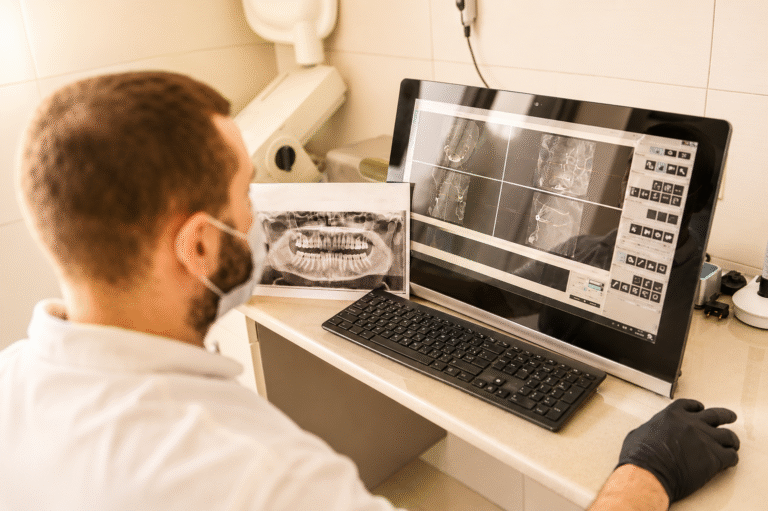


Most people do not spend much time thinking about the difference between a general dentist and a dental specialist until a tooth hurts, a child needs braces, or a dentist says, “I’m going to refer you out.” At that point, the distinction matters. It affects where you go, how much treatment may cost, how many appointments you need, and who should take the lead on your care.
The simplest version is this: a general dentist handles broad, routine, day-to-day oral health care, while a specialist focuses on a narrower area that requires additional training. That sounds straightforward, but in practice the line is not always obvious to patients. Some general dentists perform fairly advanced procedures. Some specialists see patients only by referral, while others accept direct appointments. A wise choice depends on the problem in front of you, the complexity of your case, and the experience of the clinician.
If you understand what each type of dentist does, you are far less likely to feel lost when treatment planning starts.
Where general dentistry begins
A general dentist is the primary care doctor of the mouth. For most families, this is the professional they see for checkups, cleanings, fillings, X-rays, gum evaluations, crowns, night guards, preventive advice, and the first assessment of a new complaint. If you wake up with sensitivity to cold, a broken filling, bleeding gums, or a chipped front tooth, the general dentist is usually your first stop.
In day-to-day practice, general dentists manage a wide range of issues. That breadth matters more than people realize. Oral health rarely arrives in neat categories. A patient may come in for a routine cleaning and mention jaw soreness, a loose crown, and a concern about bad breath, all in the same visit. The general dentist is trained to sort through that mix, identify what is urgent, what is cosmetic, what is functional, and what requires outside help.
Most general dentists complete dental school and then enter practice, though some choose additional training through residencies or continuing education. Over time, many develop strong competence in specific procedures such as root canals, simple extractions, implants, or cosmetic bonding. That is one reason the term “general dentist” can be misleading to patients. It does not mean basic or limited. It means broad.
A seasoned general dentist often becomes the long-term coordinator of care. They know your history, your previous X-rays, how your bite has changed over the years, whether you grind your teeth, and whether that cracked molar has been stable or slowly worsening since the last visit. That continuity can be extremely valuable.
What makes a specialist different
A specialist is a dentist who completes advanced training in a specific area after dental school. The extra years are devoted to mastering a narrower field in far greater depth than is possible in general practice alone.
Dental specialists do not replace the general dentist. They step in when a case demands concentrated expertise, specialized equipment, or a level of complexity that falls outside routine care. One way to think about it is this: the general dentist sees the whole landscape, while the specialist studies one part of the landscape in much finer detail.
A specialist may treat difficult root canal anatomy, severe gum disease, impacted teeth, jaw alignment problems, facial pain linked to bite issues, or oral conditions that look suspicious and need biopsy or surgical management. The work tends to involve higher technical demands, greater risk if things go wrong, or a need for narrower diagnostic judgment.
Here are the main dental specialties patients are most likely to encounter:
- Endodontist, focused on root canal treatment and diseases inside the tooth
- Periodontist, focused on gums, bone support, and often dental implants
- Orthodontist, focused on tooth movement and bite alignment
- Oral and maxillofacial surgeon, focused on surgical procedures involving teeth, jaws, and facial structures
- Pediatric dentist, focused on dental care for infants, children, and teens
There are other recognized specialties as well, including prosthodontics, oral pathology, oral radiology, and dental public health. Still, for the average patient, the five above explain most referrals.
The practical difference in a real appointment
The best way to understand the divide is to picture what happens during a routine dental visit. A patient comes in with pain when chewing on the lower left side. The general dentist takes a history, performs an exam, checks the bite, takes X-rays, and narrows the cause. It may turn out to be a cracked filling, inflamed gum tissue, a cavity close to the nerve, clenching, or a vertical crack in the tooth.
If the issue is a straightforward cavity, the general dentist may place a filling that day. If the tooth needs a crown, they may begin that process. If the nerve is infected and the canal anatomy appears manageable, some general dentists will do the root canal themselves. If the tooth has curved roots, calcified canals, prior treatment, swelling, or uncertain prognosis, referral to an endodontist may be the better call.
From the patient’s perspective, the visit may feel like one continuous dental experience. Behind the scenes, however, different levels of training are guiding different decisions.
This matters because dentistry is not only about whether a procedure can be done. It is also about who is best equipped to do it predictably. A general dentist may be capable of handling many procedures, but experience, case difficulty, available technology, and personal judgment should shape whether they keep the case or refer it.
Training shapes scope, but judgment shapes referrals
Patients sometimes assume a referral means something has gone wrong or their general dentist lacks skill. In many cases, the opposite is true. Good referral patterns usually reflect clinical judgment, not weakness.
A careful dentist knows the limits of a case and respects them. That could mean referring a deeply impacted wisdom tooth to an oral surgeon instead of attempting a difficult extraction in office. It could mean sending advanced periodontal disease to a periodontist because bone loss is severe and long-term tooth support is at stake. It could mean involving an orthodontist when crowded teeth and jaw alignment are both contributing to wear, recession, and instability.
The strongest clinicians are often the ones who are comfortable saying, “This is treatable, but you will get the best outcome with a specialist.” Patients benefit from that honesty.
At the same time, some referrals are driven by efficiency rather than complexity alone. An endodontist who performs root canals all day, every day, may complete treatment faster and more comfortably than a general dentist who does them occasionally. A pediatric dentist may have a much easier time treating a highly anxious five-year-old than a general office that mostly sees adults. Those differences can change the quality of the experience, even when the technical treatment might be possible in more than one setting.
What a general dentist usually handles well
For the majority of people, most dental care stays with a general dentist for years. Preventive and restorative needs make up the bulk of routine dentistry. Checkups, exams, cleanings, sealants, fluoride, fillings, crowns, denture maintenance, simple gum monitoring, and early cavity detection all live squarely in general practice.
A good general dentist also plays a major educational role. They help patients understand home care, diet, grinding habits, dry mouth risk, medication effects, and the difference between an issue that can wait a week and one that should be addressed immediately. Patients often underestimate this part of the job because it looks conversational rather than technical. In practice, it prevents a great deal of disease.
General dentists are also the ones who track changes over time. A single X-ray can reveal a cavity. A series of X-rays over several years can reveal a pattern, whether decay progresses quickly, whether fillings are failing faster than expected, or whether bone levels are dropping. Longitudinal knowledge is one of the biggest advantages of staying established with the same general dentist.
When a specialist becomes the better fit
The shift to a specialist usually happens when the case is complex, unusual, advanced, or surgical. A patient with persistent pain after a previous root canal is different from a patient who simply has a new cavity. A child with severe crowding and jaw discrepancy is different from an adult seeking minor cosmetic straightening. A patient with healthy gums and one area of irritation is different from someone with deep periodontal pockets and generalized bone loss.
Several situations commonly justify specialist care:
- The diagnosis is uncertain or the anatomy is unusually difficult
- The procedure is more invasive or carries higher surgical risk
- The problem has not responded to standard treatment
- The patient has age, behavior, medical, or anxiety factors that change how care should be delivered
- Long-term outcome depends on highly specialized planning or technique
None of those situations automatically means a general dentist cannot help. They do mean the margin for error narrows, and the value of focused expertise rises.
Common specialties patients encounter
Endodontists and root canal care
Endodontists deal with the inner pulp of the tooth and the tissues around the root. Patients often meet them when a toothache becomes sharp, throbbing, or persistent. They are especially useful for retreatment, hidden canals, cracks, traumatic injuries, and teeth with anatomy that is difficult to navigate.
A general dentist may competently perform many root canals, especially on front teeth or uncomplicated molars. But when the tooth has unusual curvature, calcification, prior crowns, or infection that extends beyond the usual pattern, an endodontist’s narrower focus can make a meaningful difference. In many offices, they also use high magnification and imaging tools that improve precision.
Periodontists and gum support
A periodontist focuses on the structures that hold teeth in place: gums, periodontal ligament, and bone. Patients may be referred for advanced gum disease, deep cleanings that go beyond routine maintenance, gum grafting, implant placement, or management of recession.
Mild gum inflammation often improves with routine care and better hygiene. Advanced periodontal disease is another matter. Once bone loss is involved, treatment planning becomes more layered. The questions are no longer only about cleaning. They are about stability, long-term maintenance, mobility, bite forces, and whether some teeth can realistically be saved.
Orthodontists and bite alignment
Orthodontists move teeth and guide bite relationships. Braces and aligners are the visible part, but the real work is diagnosis and controlled movement. Proper orthodontic care considers bone levels, eruption timing, jaw growth, root position, airway considerations in some cases, and the long-term stability of the result.
A general dentist may offer clear aligner treatment for mild cosmetic cases. That can be perfectly appropriate when spacing or crowding is minor and the bite is otherwise sound. But more significant crowding, crossbites, open bites, jaw discrepancies, or mixed dentition cases generally deserve orthodontic expertise.
Oral surgeons and more complex procedures
Oral and maxillofacial surgeons handle extractions that are difficult or impacted, surgical exposure of teeth, facial trauma, pathology, bone grafting, and some forms of corrective jaw surgery. Wisdom teeth are the procedure most patients associate with this specialty, but the field is much broader.
When extractions are simple and roots are straightforward, many general dentists perform them routinely. When the tooth lies close to a nerve, is deeply impacted, fractured below the gum line, or sits in dense bone, an oral surgeon is usually the safer choice.
Pediatric dentists and children’s care
Pediatric dentists are trained to treat children from infancy through adolescence, including those with behavioral, developmental, or medical complexities. Their offices are typically designed for younger patients, but the difference goes beyond decor. They understand eruption patterns, growth stages, habit counseling, pulp therapy in baby teeth, and child-specific behavior management in a way most general practices do not.
A calm, cooperative child with simple needs may do very well in a family dental office. A very young, anxious, or medically complex child often benefits from pediatric specialty care.
Cost, convenience, and quality are not always aligned
Patients naturally ask whether a specialist costs more. Often, yes. Specialist fees may be higher because the training is narrower, the equipment more specialized, and the cases more complex. But cost should be considered in context.
A lower fee does not always mean better value if the case needs retreatment later. On the other hand, specialist care is not automatically necessary for every problem, and paying more for a routine case may not produce a better outcome. The right question is not simply, “Who is cheaper?” It is, “Who is the best fit for this procedure in my situation?”
Convenience also complicates the decision. Staying with one general dentist may save time, reduce travel, and feel more comfortable. That matters, especially for busy families. Yet convenience should not outweigh difficulty. A patient who tries to avoid referral for a borderline surgical extraction may end up with a longer, more stressful experience than if they had gone straight to the specialist.
In https://jasperogsl226.lumenforgex.com/posts/how-a-general-dentist-helps-you-build-healthy-habits everyday practice, the best care often comes from balancing three things: clinical complexity, operator experience, and patient preference.
How referrals usually work
In a well-run dental system, referrals are collaborative rather than fragmented. The general dentist identifies the issue, gathers records, explains the reason for referral, and remains involved. The specialist then evaluates the specific problem, provides treatment or a second opinion, and communicates findings back. After specialty treatment, the patient usually returns to the general dentist for ongoing cleanings, exams, maintenance, and routine restorative care.
That coordination matters more than patients may realize. Suppose a periodontist places an implant. The general dentist may later restore it with the final crown and monitor how it functions with the rest of the bite. Or suppose an orthodontist straightens the teeth. The general dentist may then replace worn restorations so they fit the new alignment properly. Good dentistry is often team dentistry, even when patients only see one piece of it at a time.
Questions worth asking before you decide
If your dentist recommends specialist care, ask why. Not in a skeptical or adversarial way, but in a practical one. A good clinician should be able to explain whether the referral is based on complexity, technology, experience, sedation needs, anatomy, age, or expected prognosis.
You can also ask whether the procedure is something your general dentist sometimes performs, how often they do it, and what makes your case different. Those answers are usually very revealing. A trustworthy dentist will not be offended by informed questions. They will welcome them.
It is also reasonable to ask what happens after specialty treatment. Will you return to your general dentist for the final restoration? Who handles follow-up if symptoms persist? Who monitors healing? These details prevent confusion later.
The patient’s role in choosing the right provider
Patients sometimes treat dental care as if the choice is binary: either trust the general dentist for everything or insist on a specialist for every procedure. Real life is more nuanced.
A long-standing general dentist who knows your history and has strong experience in a procedure may be the ideal person for your care. In another setting, a specialist may offer a better margin of safety and predictability. The smartest approach is not to chase titles alone. Look at the actual problem, the complexity of the treatment, the comfort level of the provider, and the clarity of the explanation you receive.
If you are ever uncertain, a second opinion is reasonable. Dentistry involves judgment, and responsible professionals understand that.
Why the distinction matters for long-term oral health
The difference between a general dentist and a specialist is not just academic. It affects diagnosis, treatment planning, outcomes, comfort, cost, and timing. A general dentist provides the broad foundation of oral health care and often serves as the steady point of contact over many years. A specialist brings concentrated expertise when a case moves beyond routine care.
Patients tend to have the best experiences when they do not see this as an either-or choice. The strongest dental care usually comes from the right provider at the right moment, with clear communication between them. If your situation is straightforward, your general dentist may be all you need. If it is complicated, persistent, or highly technical, specialist care can protect both your result and your peace of mind.
Knowing the difference helps you ask better questions, understand referrals, and move through treatment with more confidence. That alone can make a stressful dental decision feel manageable.
Smyle Dental Newhall
Address: 23754 Newhall Ave, Santa Clarita, CA 91321
Phone number: +16612559200
FAQ About General dentist
What does it mean by general dentist?
A general dentist is your primary dental care provider. They focus on the overall prevention, diagnosis, and treatment of your daily oral health needs. Think of them as your primary care doctor, but for your teeth and gums.
What is the difference between a dentist and a general dentist?
A dentist is a broad professional title for any licensed oral healthcare provider, while a general dentist is a specific type of primary care dentist who focuses on routine, preventive, and everyday treatments.
What is the difference between a dentistry practitioner and a dentist?
A dentist is a licensed doctoral-level healthcare professional, whereas a dental practitioner is a broader umbrella term that can include dentists as well as other trained oral health professionals.