Emergency Dentist Care for Adults With Sudden Tooth Loss

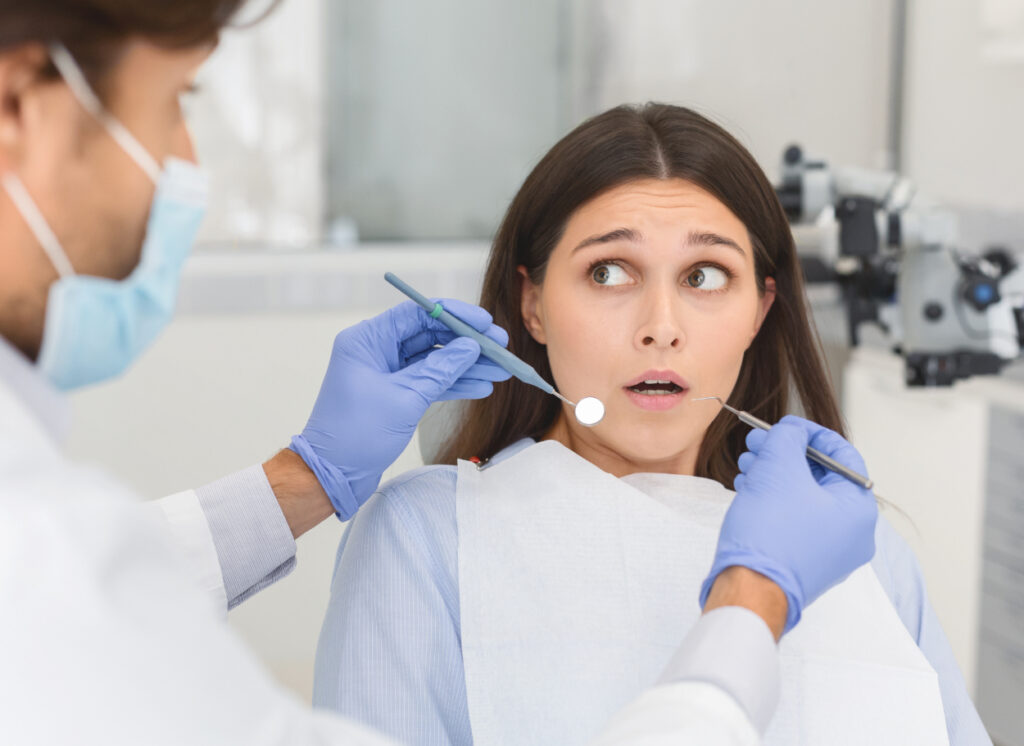
Losing a tooth as an adult is one of those moments that turns an ordinary day into a genuine emergency. It can happen on a basketball court, during dinner, after a fall on wet pavement, or while biting into something that should have been harmless. One second everything feels normal, the next there is blood, pain, panic, and a gap where a permanent tooth used to be.
For adults, sudden tooth loss is rarely just a cosmetic issue. It affects speech, chewing, confidence, and often the health of the surrounding bone and gum tissue. Timing matters. The first hour can make a meaningful difference in whether a tooth can be saved, how much treatment will be needed, and what the final outcome looks like. That is why seeing an Emergency Dentist promptly is not simply advisable, it is often the best chance to limit long term damage.
There is also a practical reality https://caidenjehf507.almoheet-travel.com/when-a-loose-crown-becomes-an-emergency-dentist-issue many people do not realize until it happens to them. Not all “lost teeth” are the same emergency. A tooth knocked out cleanly by trauma is managed differently from a tooth that breaks at the gumline, loosens because of advanced gum disease, or falls out around an old crown or bridge. The right response depends on what actually happened. Good emergency care starts with sorting that out quickly, calmly, and accurately.
What sudden tooth loss usually looks like in adults
In a dental office, adults tend to present with sudden tooth loss in a few common ways. The most dramatic is a complete avulsion, which means the entire tooth has been knocked out of the socket. This is the classic sports injury or fall scenario. Another common situation is a tooth that fractures so deeply that what remains cannot function and may feel as though the tooth is “gone,” even if part of the root is still in place. Then there are teeth that have become severely mobile from infection or gum disease and finally detach during eating or brushing.
Those situations can feel similar to the patient, but clinically they are very different. A healthy front tooth knocked out in an accident may be a candidate for reimplantation if handled correctly and treated quickly. A molar lost because the supporting bone has been destroyed by periodontal disease generally cannot simply be put back. A tooth split vertically down the root, something that happens more often in heavily restored back teeth, almost never behaves like a reimplantation case. The emergency visit is where those distinctions become clear.
Age and dental history matter too. An adult with untouched, healthy teeth who loses one in a cycling accident often has different treatment options from someone with large fillings, past root canals, bite-related wear, or chronic inflammation. The visible event, the tooth came out, is only part of the story. The condition of the tooth before the accident often determines what can realistically be done after it.
The first hour matters more than most people expect
When a permanent tooth is knocked out by trauma, the cells on the root surface begin to suffer as soon as the tooth dries out. Those cells are important because they influence whether the tooth can reattach in a stable way and how the surrounding tissues heal. That is why every Emergency Dentist stresses urgent action, especially for a front tooth that has come out completely.
Even when the tooth cannot ultimately be saved forever, quick care can still preserve bone, reduce infection risk, control bleeding, and create better conditions for the next stage of treatment. In practical terms, early intervention often makes future care simpler and more predictable. Waiting until “tomorrow if it still hurts” can turn a manageable injury into a more expensive and invasive problem.
One detail that surprises many adults is that pain level is not a good guide to urgency. Some knocked out teeth hurt intensely, others do not. Adrenaline can mask symptoms. A person may focus on the gap and think, “It is not that bad,” while the window for the best outcome is quietly shrinking.
What to do before you reach the Emergency Dentist
The most useful first aid is simple and time sensitive. If the missing tooth is a permanent tooth and it came out whole, handle it by the crown, not the root. If it is dirty, rinse it gently with saline or milk, or briefly with clean water, without scrubbing. In some cases the tooth can be placed back into the socket right away if the person is alert and able to do it safely. If that is not possible, keeping the tooth moist is essential.
Use these steps while arranging immediate care:
- Control bleeding by biting gently on clean gauze or a clean cloth.
- Find the tooth and hold it only by the chewing or visible part, not the root.
- If appropriate, rinse it gently and keep it moist in milk, saline, or inside the cheek if the person can do so safely without swallowing it.
- Call an Emergency Dentist immediately and clearly say that an adult permanent tooth has been knocked out.
- Apply a cold compress on the outside of the face to limit swelling.
There are important exceptions. If the person may have a head injury, facial fracture, severe dizziness, uncontrolled bleeding, or trouble breathing, medical emergency care comes first. Dental treatment matters, but airway, concussion symptoms, and jaw fractures take priority. In real emergencies, coordination between a hospital and a dentist is often the safest path.
What happens during the emergency visit
An emergency dental appointment for sudden tooth loss is usually focused, fast, and more methodical than patients expect. The first goals are to control pain and bleeding, evaluate the socket and surrounding structures, and determine whether there is a realistic path to save the tooth or whether the area needs to be stabilized for replacement later.
The exam often includes dental X-rays and sometimes additional imaging if a root fracture, jaw fracture, or embedded tooth fragment is suspected. The dentist will check whether the tooth is intact, whether the socket is damaged, and whether neighboring teeth were also injured. It is common for adjacent teeth to be bruised, displaced, or cracked even when the missing tooth gets all the attention.
If the tooth can be replanted, the dentist will gently clean the area, reposition the tooth, and stabilize it with a splint attached to neighboring teeth. The splint is typically temporary. The exact material and duration vary, but the purpose is the same, to hold the tooth while the surrounding tissues begin to heal. Patients are often surprised that a replanted tooth may still need future root canal treatment, especially if the nerve supply has been compromised. Saving the tooth in the moment does not always mean the process is finished.
If the tooth cannot be replanted, the Emergency Dentist will focus on preserving the site. That might involve cleaning the socket, removing nonrestorable fragments, protecting the bone and soft tissue, prescribing medication when indicated, and planning the next phase carefully. A well-managed emergency visit can make a major difference in how natural the replacement tooth looks months later.
Cases where reimplantation is possible, and where it is not
There is understandable hope around putting a lost tooth back in place. Sometimes that hope is justified. Sometimes it is not, and forcing the issue can worsen the result.
Reimplantation is most commonly considered when a permanent tooth has been knocked out by trauma, the root is reasonably intact, the tooth has been kept moist, and the person is seen quickly. Front teeth are the classic example. The sooner treatment happens, the better the odds of useful short to medium term success. Dentists also consider the shape of the root, the condition of the socket, the cleanliness of the area, and whether the patient can follow aftercare instructions.
By contrast, a baby tooth should not be replanted. In adults, a tooth lost because of advanced gum disease is often missing much of the support it needs to function. A tooth fractured vertically through the root is generally a poor candidate. Teeth that have been dry for an extended time may sometimes be replanted for temporary esthetic or bone-preservation reasons, but the long term prognosis is guarded.
This is where professional judgment matters. Patients often want a simple yes or no. Dentistry is rarely that simple in trauma cases. A skilled Emergency Dentist balances urgency with realism. Sometimes the best care is heroic rescue. Sometimes it is avoiding a procedure that looks hopeful in the short term but creates infection, ankylosis, or difficult extraction later.
Pain, swelling, and the emotional side of the injury
Adults often apologize for being upset about a lost tooth, especially if it happened in a “minor” accident. That reaction is unnecessary. Sudden tooth loss is physically painful and psychologically jarring. A missing front tooth changes the face instantly. It can make people cover their mouth when speaking, cancel meetings, and avoid smiling. For some patients, the emotional distress is stronger than the pain.
The first emergency appointment should address both sides of the problem. Effective local anesthesia, wound care, and clear instructions reduce physical suffering. Just as important, a direct explanation of the plan helps restore a sense of control. Patients cope much better when they know what is happening, what can be saved, and what comes next.
Swelling may increase over the first 24 to 48 hours even with good treatment. Mild oozing is common. Sharp, escalating pain, fever, foul taste, or significant worsening after the first day deserves prompt reassessment. Patients sometimes assume these symptoms are “normal healing,” but they can point to infection or an unstable site.
When the whole tooth is not actually gone
A surprising number of patients say they “lost a tooth” when part of the root is still in the bone. This often happens with heavily filled teeth, old root canal treated teeth, or molars weakened by cracks. The visible crown snaps off at or below the gumline, leaving a jagged edge or a hidden fragment in the socket.
That still counts as an emergency when pain, bleeding, swelling, or infection is involved. The immediate priorities are different, though. Instead of reimplantation, the dentist is deciding whether the remaining tooth structure can be restored, whether it needs extraction, and how to preserve the surrounding tissues. In some cases, what looks catastrophic at home turns out to be repairable with a buildup and crown. In others, the fracture line extends too far below the gum or into the root to save the tooth.
This distinction matters because adults sometimes spend valuable time searching for a “missing tooth” that never fully came out. If there is uncertainty, place any fragments in a clean container and bring them to the appointment. Fragments can help the dentist determine what broke and whether any portion may be reused in a temporary repair.
Treatment paths after the emergency is controlled
Once the immediate crisis is stabilized, the long term question becomes function and replacement. The right answer depends on where the tooth was, how the bite works, the health of the bone and gums, budget, timeline, and the patient’s tolerance for treatment.
These are the most common paths after sudden tooth loss:
- Reimplantation and splinting, usually followed by close monitoring and sometimes root canal treatment.
- Extraction of remaining fragments with a temporary replacement, then later implant placement if the site heals well.
- A fixed bridge when neighboring teeth already need crowns or when implant placement is not ideal.
- A removable temporary or partial denture, especially when multiple teeth are involved or healing time is needed.
- Site preservation with bone grafting to support a future replacement and maintain facial contour.
No single option is universally best. Dental implants often provide excellent function and appearance, but they require enough bone, careful planning, and healing time. A bridge can be efficient and esthetically strong, but it involves the adjacent teeth. A removable option may not be anyone’s first choice emotionally, yet it can be the right short term decision after trauma when tissues need time to settle before definitive work begins.
In practice, adults often do best when they think in stages rather than demanding an instant permanent fix. Emergency stabilization, tissue preservation, temporary appearance, and final restoration each have their place. Rushing the final stage before the biology is ready can compromise the outcome.
Front tooth loss versus back tooth loss
Not all lost teeth create the same urgency in the same way. A missing front tooth carries obvious esthetic and speech concerns. Even a person with minimal pain may feel unable to work or socialize. For these cases, emergency care often includes planning a temporary cosmetic solution quickly, even if the final treatment takes months.
Back teeth, especially molars, are more likely to affect chewing and bite stability. Adults sometimes delay treatment because the gap is less visible. That is a mistake. Missing posterior teeth can lead to shifting, overeruption of the opposing tooth, food trapping, and strain on remaining teeth. The emergency may feel less public, but the functional consequences can be significant.
The tooth’s location also affects what is feasible. Front teeth are often more straightforward to replace esthetically if the bone and gum architecture are preserved early. Molars tend to take heavier chewing forces and may involve more complex decisions about extraction, grafting, and whether replacement is essential based on the overall bite.
The role of gum disease and hidden instability
Sometimes sudden tooth loss is only the final event in a longer process. Adults with untreated periodontal disease may lose a tooth during an ordinary meal, not because of a dramatic accident but because the bone support has been declining for years. These cases often come with bleeding gums, drifting teeth, bad breath, and mobility in other areas.
An Emergency Dentist can still help immediately by controlling infection, managing pain, and making a short term plan, but the bigger issue is that one lost tooth may be a warning sign for the rest of the mouth. Replacing the tooth without addressing the gum disease invites more failures. The emergency visit should lead into comprehensive periodontal evaluation and stabilization. Otherwise the patient is trying to build on a foundation that is still moving.
This is one area where honest conversation matters. Patients sometimes arrive focused only on “putting the tooth back.” If the surrounding bone has been lost, that may not be possible or wise. The professional responsibility is to treat the emergency while also explaining the underlying condition plainly.
Costs, timing, and why quick care can save money
Emergency dental care is not only about preserving teeth, it often reduces total treatment cost. A tooth that is replanted promptly may avoid or delay more complex replacement. A socket preserved on the day of injury may need less grafting later. Soft tissues that heal neatly are easier to restore esthetically than tissues that collapse after weeks without treatment.
That does not mean every emergency can be solved cheaply. Trauma cases can become expensive, especially if they involve multiple teeth, root canal therapy, grafting, temporary prosthetics, or implants. Still, one of the costliest mistakes is doing nothing. Delayed care often leads to more bone loss, more infection, more appointments, and fewer options.
A practical point from the clinical side is that the first phone call matters. If you tell the office “I chipped a tooth,” you may be triaged differently than if you say “My adult tooth was knocked out and I have it with me in milk.” Good front-desk triage can save precious time.
Aftercare in the days that follow
Recovery instructions vary by case, but most adults need a soft diet for a period, careful oral hygiene, and close follow-up. Brushing must continue, though often with a gentler technique around the injured area. Chlorhexidine rinses may be recommended in some cases. Smoking is particularly damaging to healing tissues and significantly worsens the odds of a clean recovery.
The mouth can look worse before it looks better. Bruising may spread. The tooth, if replanted, may feel strange or slightly high at first. Sensation can change. None of these details should be guessed at from internet anecdotes. The treating dentist’s instructions should govern, because the details of the injury, splint, and restoration matter.
Adults who grind or clench deserve special attention after sudden tooth loss. Excessive bite force can sabotage both a replanted tooth and a new temporary restoration. In some situations, a night guard becomes part of the longer term protection strategy.
Preventing the next emergency
Not every case is preventable, but many are. Adults tend to underestimate their risk because mouthguards are associated with children’s sports. In reality, recreational leagues, cycling, gym accidents, falls, and nighttime grinding account for a substantial share of dental trauma and fractures. Old, cracked restorations are another quiet risk. Teeth rarely break without warning if someone is looking closely enough.
Regular dental examinations matter here for reasons people do not always appreciate. They are not only about cavities. A dentist may identify a cracked cusp, loose crown, unstable bridge abutment, or advanced periodontal pocket before it turns into sudden tooth loss. Preventive care is far less dramatic than emergency care, which is exactly its value.
For adults who have already experienced one traumatic dental injury, prevention becomes even more personal. A custom sports guard, management of clenching, timely replacement of failing restorations, and treatment of gum disease can mean the difference between a manageable dental future and repeated emergencies.
Why acting fast changes the outcome
When a permanent tooth is lost suddenly, adults often freeze for a few minutes because the situation feels surreal. That pause is understandable, but speed matters. The best response is not perfect calm, it is decisive action. Protect the tooth if it is out, control bleeding, call an Emergency Dentist immediately, and get a professional evaluation the same day.
What happens next depends on the biology of the tooth, the injury pattern, and the condition of the surrounding tissues. Some teeth can be saved. Some cannot. In either case, prompt emergency treatment gives the strongest chance to preserve health, appearance, and future options. That is the real purpose of emergency dentistry in these situations, not simply to react to pain, but to prevent a bad moment from becoming a lasting disability.
Simple Dental South Gate
Address: 8617 California Ave, South Gate, CA 90280
Phone number: +13236896118
FAQ About Emergency Dentist Southgate CA
What can the ER do for a tooth?
The emergency room can provide temporary symptom relief for a bad tooth, such as prescribing pain medicine or antibiotics, but it cannot fix the actual dental problem.
What is the 3-3-3 rule for tooth infection?
The 3-3-3 rule for a toothache or infection typically means taking three 200 mg ibuprofen tablets (600 mg total) three times a day for no more than three days to control pain and swelling while waiting to see a dentist.
What do you do if you have a dental emergency but no dentist?
If you have a dental emergency and no regular dentist, you should search for an urgent care dental clinic, call local walk-in dental offices, or go to a hospital emergency room if you have severe bleeding, swelling, or trouble breathing.